

Earn with Smart Thermostats: 2025 SEO & Affiliate Guide
Start earning today! see here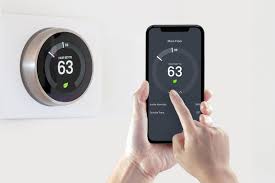
Part 1: Introduction – What Are Smart Thermostats?
What Is a Smart Thermostat?
A smart thermostat is an advanced home device that automatically controls your heating and cooling systems to help you save energy and money. Unlike traditional thermostats, smart thermostats can learn your preferences, adjust settings based on your habits, and even connect to your smartphone for remote control.
Why Smart Thermostats Matter in 2025
With the rising cost of energy and growing interest in smart home automation, smart thermostats are more relevant than ever. In 2025, homeowners are looking for energy-efficient, tech-powered solutions—and smart thermostats offer just that. They help reduce utility bills, improve indoor comfort, and contribute to a greener planet.
Key Features of Smart Thermostats:
- Wi-Fi Connectivity: Control your thermostat from anywhere using your smartphone or tablet.
- Learning Algorithms: Some smart thermostats, like the Google Nest, learn your schedule and temperature preferences over time.
- Voice Control: Compatible with virtual assistants like Alexa, Google Assistant, and Siri.
- Energy Reports: Get insights into your energy usage to help reduce waste.
- Geofencing: Automatically adjusts temperature based on your phone’s location.
Popular Smart Thermostat Brands in 2025:
- Google Nest
- Ecobee
- Amazon Smart Thermostat
- Honeywell Home
- Tado°
Who Should Use a Smart Thermostat?
Smart thermostats are ideal for:
- Tech-savvy homeowners
- People working from home
- Anyone looking to reduce their carbon footprint
- Landlords and property managers
- Families with irregular schedules
Final Thoughts
Smart thermostats are not just a trend—they’re the future of home energy management. Whether you’re just starting your smart home journey or looking to upgrade, understanding the basics of smart thermostats is the first step.
Part 2: Benefits of Using Smart Thermostats in Modern Homes
SEO Title: Top Benefits of Smart Thermostats for Modern Homes in 2025
Meta Description: Learn the key benefits of smart thermostats in 2025. From energy savings to remote control and comfort, find out why every home needs one.
Why Smart Thermostats Are a Game Changer
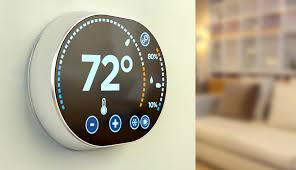
Smart thermostats have transformed how homeowners manage their indoor climate. In 2025, with sustainability and automation in focus, these devices offer more than just temperature control—they deliver convenience, comfort, and cost savings.
Here are the top benefits of using a smart thermostat in your modern home:
1. Significant Energy Savings
One of the biggest advantages of smart thermostats is their ability to reduce energy usage. By learning your schedule and adjusting temperatures automatically, they prevent wasted energy. According to industry reports, homeowners can save 10% to 23% on heating and cooling bills annually.
2. Remote Access & Control
Whether you’re at work, traveling, or just on the couch, you can control your thermostat from your smartphone or tablet. This means you can:
- Turn off the AC when you forget
- Preheat your home before arrival
- Monitor temperature remotely
3. Personalized Comfort
Smart thermostats learn your behavior and preferences. For example:
- They increase the temperature before you wake up
- Lower it automatically at night
- Maintain optimal comfort without manual adjustments
4. Integration with Smart Home Ecosystems
Smart thermostats easily integrate with:
- Smart speakers (like Alexa or Google Home)
- Smart lights and appliances
- Home security systems
This allows for full-home automation, voice control, and seamless operation with other devices.
5. Environmental Impact
By optimizing energy use, smart thermostats help reduce your carbon footprint. Less energy usage means fewer greenhouse gas emissions. It’s a smart choice for eco-conscious homeowners.
6. Alerts and Maintenance Reminders
Many models can:
- Send notifications when it’s time to replace filters
- Alert you if your home gets too hot or cold
- Warn of system issues before they become expensive
7. Easy Scheduling and Automation
Set schedules for weekdays and weekends, or let the thermostat create schedules based on your behavior. Most devices have intuitive mobile apps for simple programming.
8. Energy Usage Reports
Many smart thermostats provide detailed energy usage reports so you can:
- Track how much energy you’re using
- Discover patterns
- Adjust settings to optimize efficiency
Conclusion
Smart thermostats offer far more than just convenience—they make your home smarter, more efficient, and more comfortable. If you care about saving money, reducing your carbon footprint, and enjoying a better living experience, a smart thermostat is a must-have in 2025.
Part 3: How Do Smart Thermostats Work?
SEO Title: How Smart Thermostats Work in 2025: A Complete Beginner’s Guide
Meta Description: Learn how smart thermostats work, including sensors, Wi-Fi, learning algorithms, and app integration. Control your home’s climate like a pro in 2025.
The Smart Behind the Thermostat
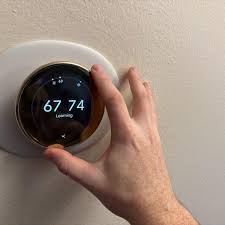
Smart thermostats go beyond basic temperature control by using a combination of sensors, machine learning, and connectivity to adjust your home’s climate intelligently.
Let’s break down how they actually work:
1. Sensors Monitor Indoor Conditions
Smart thermostats use various sensors to detect:
- Current room temperature
- Humidity levels
- Motion or occupancy (in some models)
These sensors help the thermostat decide whether to heat or cool the space and how aggressively to do so.
2. Wi-Fi Connectivity Enables Remote Control
Once connected to Wi-Fi, the thermostat can:
- Be controlled via mobile app (iOS/Android)
- Receive updates and new features
- Communicate with other smart devices in your home
Remote control is one of the most convenient features—you can change settings from anywhere in the world.
3. Learning Algorithms Adjust to Your Behavior
Some advanced models (like the Google Nest) learn your routine:
- What time you wake up
- When you leave home
- What temperatures you prefer at different times of day
After a few days or weeks, the thermostat will start adjusting automatically based on your habits.
4. Geofencing Technology Detects When You’re Home or Away
Smart thermostats with geofencing use your smartphone’s GPS to know when you’re:
- At home – to keep the temperature comfortable
- Away – to save energy by adjusting heating/cooling
This automation ensures energy isn’t wasted when no one’s home.
5. Integration with Smart Home Platforms
Smart thermostats can integrate with:
- Amazon Alexa
- Google Assistant
- Apple HomeKit
- SmartThings and more
This allows for voice commands like:
“Alexa, set the thermostat to 72 degrees.”
6. Smart Scheduling and Automation
You can:
- Create custom temperature schedules for weekdays/weekends
- Use preset modes like eco, away, or sleep
- Let the thermostat build the schedule for you
This keeps comfort consistent and efficient, even with changing routines.
7. Energy Usage Tracking
Most smart thermostats provide real-time reports and monthly summaries that show:
- Your heating/cooling patterns
- Suggestions to save more energy
- Cost comparisons over time
Conclusion
Smart thermostats are powered by advanced technology—but using them is easy. With sensors, Wi-Fi, automation, and integration, these devices learn how to make your home comfortable while helping you save on energy bills.
They’re not just smart—they’re smart for your wallet, too.
Part 5: In-Depth Review – Google Nest Learning Thermostat (3rd Gen)
SEO Title: Google Nest Learning Thermostat Review 2025: Smart, Stylish & Efficient
Meta Description: A complete review of the Google Nest Learning Thermostat 3rd Gen. Learn about its features, pros & cons, performance, and why it’s still a top choice in 2025.
Overview
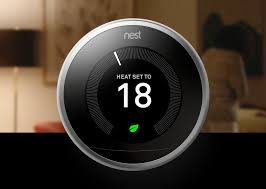
The Google Nest Learning Thermostat (3rd Gen) remains one of the smartest and most popular smart thermostats in 2025. Known for its sleek design and intelligent automation, it learns your habits and programs itself to help you save energy with zero effort.
Key Features
- Auto-Schedule: Learns your daily routine and automatically sets temperatures.
- Farsight Display: Lights up to show time, weather, or temperature when you walk into the room.
- Energy History & Reports: View how much energy you’ve used and get tips to reduce consumption.
- Remote Control via Nest App: Adjust temperature anytime, anywhere.
- Home/Away Assist: Automatically adjusts temperature when you leave or return.
- Voice Control: Works with Google Assistant and Amazon Alexa.
- HVAC Monitoring: Alerts you to potential issues with your heating or cooling system.
Design and Display
The Nest features a premium round design with a stainless steel finish, blending well with any home décor. The bright, high-resolution display shows real-time data and adjusts based on your presence.
Installation & Compatibility
- Installation Time: Around 30 minutes for DIYers
- Compatibility: Works with 95% of 24V heating and cooling systems (HVAC)
- Tools Included: Comes with installation guide, base plate, and screws
User Experience
- After a few days, Nest starts adapting to your schedule without you needing to program anything.
- The Nest app is intuitive, offering full control and clear insights.
- Integration with Google Home makes it an essential part of any Google-powered smart home.
Pros and Cons
✅ Pros:
- Self-learning capabilities
- Beautiful, minimalistic design
- Energy-saving automation
- Reliable mobile app and reports
- Excellent build quality
❌ Cons:
- Higher price than basic models
- No built-in voice assistant (unlike Ecobee)
- No remote sensors included (sold separately)
Price in 2025:
Approx. $199 – $249, depending on the seller and seasonal discounts
Who Should Buy It?
- Homeowners who want a premium, “hands-off” smart thermostat
- People already using Google smart devices
- Those who value energy savings, automation, and sleek design
Verdict: 9.5/10 ⭐
The Google Nest Learning Thermostat is a top-tier smart home device that combines intelligence, convenience, and design. While it’s a bit pricier than others, the automation, energy savings, and user experience make it worth the investment.
Part 6: SEO & Affiliate Marketing Guide for Smart Thermostats – How to Earn Passive Income
SEO Title: How to Make Money with Smart Thermostats: SEO & Affiliate Marketing Guide 2025
Meta Description: Learn how to generate income by promoting smart thermostats using SEO strategies and affiliate marketing in 2025. Perfect for bloggers and niche site owners.
1. Why Smart Thermostats Are Perfect for Affiliate Marketing
Smart thermostats are:
- High-demand products
- Eco-friendly and tech-forward
- Frequently searched on platforms like Google and Amazon
This makes them ideal for affiliate marketers who want to earn passive income through product reviews and guides.
2. Join High-Commission Affiliate Programs
Start by joining affiliate programs that offer commissions for smart thermostat sales:
🔗 Recommended Programs:
- Amazon Associates – Up to 4% per sale
- Best Buy Affiliate Program
- Ecobee Affiliate Program – Up to 10% commission
- Impact.com or ShareASale – Hosts multiple thermostat brands
Make sure to use trackable affiliate links in your blog content.
3. Use SEO to Rank Your Content on Google
To get traffic, you need to rank high in Google Search results. Here’s how:
✅ Keyword Research
Use tools like:
- Google Keyword Planner
- Ubersuggest
- Ahrefs or SEMrush
Focus on buyer-intent keywords like:
- “Best smart thermostats 2025”
- “Ecobee vs Nest review”
- “Smart thermostat for large home”
✅ On-Page SEO Tips
- Use keywords in your title, URL, headers (H1–H3), and meta description
- Add internal links (link to your own reviews)
- Add external links to trusted sites (like Energy Star, manufacturers, etc.)
- Use images with alt text and include product photos
4. Create High-Converting Content Types
Here are content formats that drive both traffic and conversions:
- ✅ Product Reviews (e.g., “Google Nest Thermostat Review 2025”)
- ✅ Comparison Posts (e.g., “Ecobee vs Nest – Which Is Better?”)
- ✅ Buying Guides (e.g., “Top 5 Smart Thermostats for Families”)
- ✅ Tutorials (e.g., “How to Install a Smart Thermostat in 10 Minutes”)
- ✅ Pros & Cons Lists
- ✅ YouTube or TikTok videos linked to your blog
Always include affiliate links + a call to action like “Check Price on Amazon”.
5. Optimize for Google Search Console Indexing
To get indexed faster and track performance:
- Submit your site to Google Search Console
- Use Rank Math Pro or Yoast SEO to manage metadata
- Add structured data (schema) for product reviews and FAQs
- Monitor search queries and page impressions regularly
6. Build Trust with Readers
Use:
- Real product photos or videos
- Honest pros/cons (don’t oversell)
- Affiliate disclosure at the top of the article
- Fast-loading pages (use caching + image compression)
Trust = more clicks = more affiliate revenue.
7. Promote Content to Get More Traffic
SEO is long-term, but you can boost your posts by sharing them on:
- Pinterest (create product pins)
- Reddit (join smart home subreddits)
- Facebook Groups (related to home tech)
- Email newsletters
- Quora (answer thermostat-related questions and link back)
Conclusion: Turn Content into Income
Smart thermostats are a profitable affiliate niche in 2025. With the right SEO strategy, helpful content, and affiliate links, you can generate consistent passive income from your blog or website.
💡 Pro Tip: Focus on evergreen content—like buying guides and comparisons—that rank year after year.
Part 7: How to Choose the Right Smart Thermostat for You (Buying Guide)
Introduction: One Size Doesn’t Fit All
Not all smart thermostats are created equal. The best thermostat for your home depends on your heating/cooling system, budget, smart home setup, and personal preferences.
This guide will help you identify the key factors to consider before buying a smart thermostat in 2025.
✅ 1. Compatibility with Your HVAC System
Before you buy, check:
- Is your system 24V (low voltage) or line voltage?
- Do you have heating only, cooling only, or both?
- Do you have a C-wire? (Some thermostats need it)
Tip: Most smart thermostats like Nest and Ecobee support 95% of low-voltage systems.
✅ 2. Smart Home Integration
Pick a thermostat that works with your ecosystem:
| Platform | Recommended Thermostat |
|---|---|
| Google Home | Google Nest Learning Thermostat |
| Amazon Alexa | Ecobee, Amazon Smart Thermostat |
| Apple HomeKit | Ecobee, Tado° |
| Samsung SmartThings | Ecobee, Honeywell |
✅ 3. Key Features to Look For
Choose based on your priorities:
| Feature | Benefit |
|---|---|
| Learning capabilities | Auto-schedules based on habits (Nest) |
| Remote room sensors | Zoned comfort for larger homes (Ecobee, T9) |
| Air quality monitoring | Healthier indoor air (Ecobee Premium) |
| Geofencing | Adjusts temperature based on your location |
| Touchscreen display | Easier navigation and settings |
| Voice control | Hands-free operation via Alexa/Siri/Google |
✅ 4. Budget and Value
| Budget Range | Recommended Thermostats |
|---|---|
| $50–$100 | Amazon Smart Thermostat, Wyze Thermostat |
| $150–$200 | Honeywell Home T9, Tado° V3+ |
| $200–$300 | Nest Learning Thermostat, Ecobee Premium |
Tip: Higher price usually means better features, sensors, and design—but not always necessary for small homes.
✅ 5. Mobile App Experience
Check reviews of the app:
- Is it user-friendly?
- Can you control everything remotely?
- Does it send useful alerts and energy reports?
Both Ecobee and Nest offer robust mobile apps.
✅ 6. Energy Efficiency & Savings
Look for ENERGY STAR-certified devices. Smart thermostats can save:
- 10%–12% on heating
- 15%+ on cooling
Devices with energy reports help you track and optimize usage.
✅ 7. Ease of Installation
Some thermostats are DIY-friendly, while others might need professional help.
If you don’t have a C-wire, make sure your thermostat has a power extender kit or battery backup.
Final Thoughts: Choose What Fits Your Life
Don’t just follow the trend—choose a smart thermostat that:
- Fits your HVAC system
- Works with your smart home
- Matches your lifestyle and budget
- Offers features you’ll actually use
A smart thermostat is a long-term investment in comfort and energy savings—make the right choice!
Part 8: Top Mistakes to Avoid When Using a Smart Thermostat
Introduction
Smart thermostats are powerful tools—but only if used correctly. Many users miss out on their full benefits due to avoidable mistakes. In this guide, we’ll cover the top 7 errors and show you how to get the best performance from your smart thermostat.
❌ 1. Not Enabling Smart Features
Mistake: Relying only on manual control
Fix: Enable features like:
- Auto-schedule or learning mode
- Geofencing (detects when you leave/return)
- Eco or away modes for savings
These features can maximize efficiency and reduce your energy bill automatically.
❌ 2. Ignoring Regular Software Updates
Mistake: Skipping firmware updates
Fix: Allow automatic updates or check your app regularly
Updates improve:
- Security
- Bug fixes
- New features (e.g., voice control, energy reports)
❌ 3. Poor Sensor Placement
Mistake: Installing sensors near heat sources, windows, or vents
Fix:
- Place room sensors at chest level, away from direct sunlight or airflow
- Ensure your main thermostat is in a central, commonly used area
Proper placement = more accurate readings = better comfort.
❌ 4. Setting the Temperature Too Low or High
Mistake: Extreme temperature settings to “speed up” heating or cooling
Fix: Set realistic targets (e.g., 68–72°F for heating)
Smart thermostats don’t heat or cool faster by setting extreme temps—they just overwork your HVAC system.
❌ 5. Not Using a C-Wire or Power Adapter (If Needed)
Mistake: Skipping the common wire when required
Fix:
- Use a C-wire for consistent power
- If unavailable, install a power extender kit (included with many models)
Power issues can cause the thermostat to reboot or lose Wi-Fi connection.
❌ 6. Not Reviewing Energy Reports
Mistake: Ignoring data your thermostat provides
Fix:
- Review monthly energy usage reports
- Adjust settings and schedules based on insights
Ecobee, Nest, and others provide detailed usage analytics.
❌ 7. Forgetting to Adjust Schedules for Seasonal Changes
Mistake: Keeping the same schedule all year
Fix:
- Update your heating/cooling schedule for summer and winter
- Take advantage of seasonal pre-heating or pre-cooling options
Optimizing schedules by season = better comfort & lower bills.
Conclusion: Smart Tech Needs Smart Use
Avoiding these mistakes ensures your thermostat delivers maximum comfort, energy savings, and longevity. Take a few minutes to optimize settings and placement—you’ll thank yourself later.
Start earning today! see here